


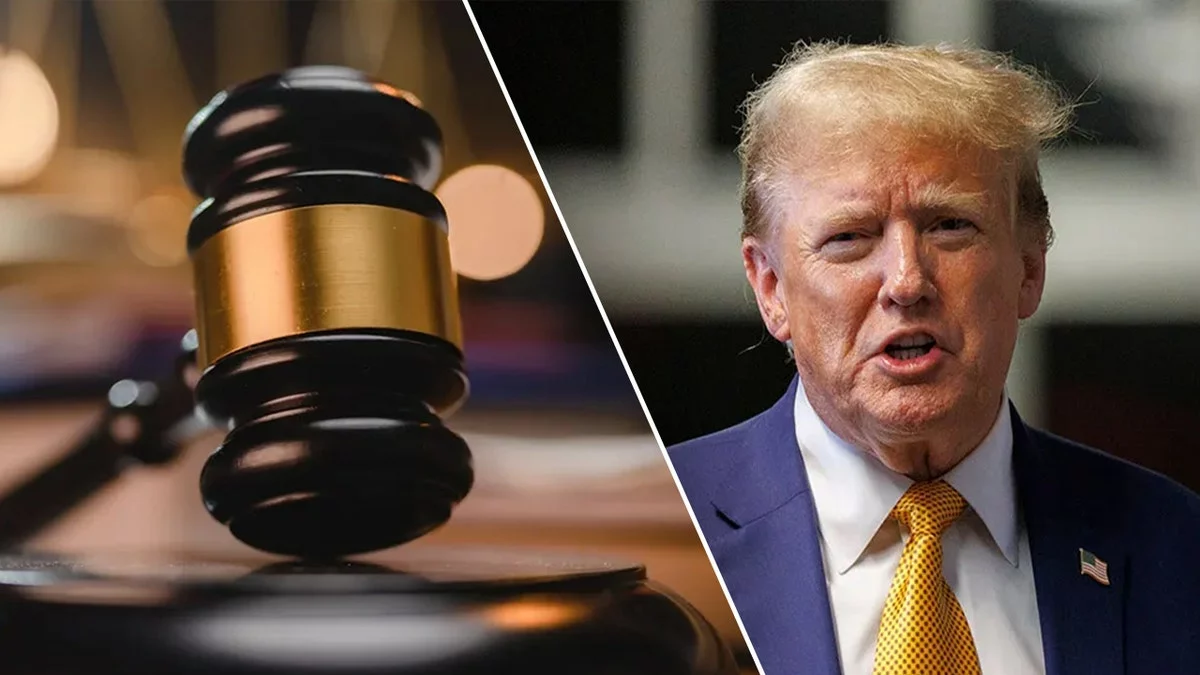


floriparesort.com – 01 July 2026 | The Loan forgiveness rule blocked [titlebase] has been a topic of discussion in recent days, and now a federal judge has officially blocked the Trump administration’s overhaul of the student loan forgiveness program. The ruling, which was handed down by U.S. District Judge Myong Joun in Massachusetts, stated that the new rules overstepped the agency’s power and threatened to violate First Amendment protections for free speech.
The Public Service Loan Forgiveness Program (PSLF) was created in 2007 to encourage college graduates to work in government and nonprofit jobs. The program promised to forgive their federal student loans after they worked in public service jobs for 10 years. However, last year the Trump administration moved to add new eligibility rules that would strip the benefit from workers whose employers are deemed to have a “substantial illegal purpose.”

The overhaul targeted nonprofits and government organizations that support causes at odds with the Trump administration’s priorities. It gave the education secretary power to exclude groups from the program if they engage in activities such as trafficking or “chemical castration” of children, illegal immigration, or supporting terrorist organizations. The definition of “chemical castration” included using hormone therapy or drugs that delay puberty.
Joun said the new rules threatened to impose the administration’s policy views on employers and faulted the department for failing to connect its definitions of illegal activity to criminal statutes. The ruling came in response to a pair of lawsuits filed by more than 20 states, along with a coalition of nonprofit groups and cities.
The Loan forgiveness rule blocked [titlebase] is a significant victory for public service workers who were at risk of losing their eligibility for student loan forgiveness. The ruling prevents the Education Department from redefining what constitutes a “public service” job and asserts that this interpretation exceeded the department’s legal authority.
The Trump administration’s proposed rule was widely criticized for being a political loyalty test, and the Loan forgiveness rule blocked [titlebase] is seen as a major setback for the administration’s efforts to limit the program. The ruling is also a win for Democratic-led states, cities, and nonprofits that argued the rule would allow the Education Department to target groups supporting immigration rights, transgender healthcare, and other causes the Trump administration disfavors.
In conclusion, the Loan forgiveness rule blocked [titlebase] is a significant development in the ongoing debate over student loan forgiveness. The ruling highlights the importance of protecting public service workers’ eligibility for loan forgiveness and preventing the politicization of the program. As the Loan forgiveness rule blocked [titlebase] continues to make headlines, it is clear that the issue will remain a contentious one in the months to come.
The Loan forgiveness rule blocked [titlebase] has far-reaching implications for public service workers and the organizations they serve. The ruling ensures that these workers will continue to have access to loan forgiveness, regardless of their employers’ political views or activities. The Loan forgiveness rule blocked [titlebase] is a major victory for those who have been advocating for the protection of public service workers’ rights.
![DRC takes Rwanda to ICJ [titlebase]: Congo Seeks Justice for Decades of Violence](https://www.floriparesort.com/wp-content/uploads/2026/06/drc-takes-rwanda-to-icj-titlebase-congo-seeks-justice-for-decades-of-violence-60x60.webp)
![xAI loses Minnesota bid [titlebase]: US Judge Denies Temporary Restraining Order Against AI Nudification Ban](https://www.floriparesort.com/wp-content/uploads/2026/08/xai-loses-minnesota-bid-titlebase-us-judge-denies-temporary-restraining-order-against-ai-nudification-ban-60x60.webp)


![Judge orders new names [titlebase]: Virginia County Ordered to Replace Confederate Names](https://www.floriparesort.com/wp-content/uploads/2026/08/judge-orders-new-names-titlebase-virginia-county-ordered-to-replace-confederate-names.webp)


![Judge orders new names [titlebase]: Virginia County Ordered to Replace Confederate Names](https://www.floriparesort.com/wp-content/uploads/2026/08/judge-orders-new-names-titlebase-virginia-county-ordered-to-replace-confederate-names-630x380.webp)