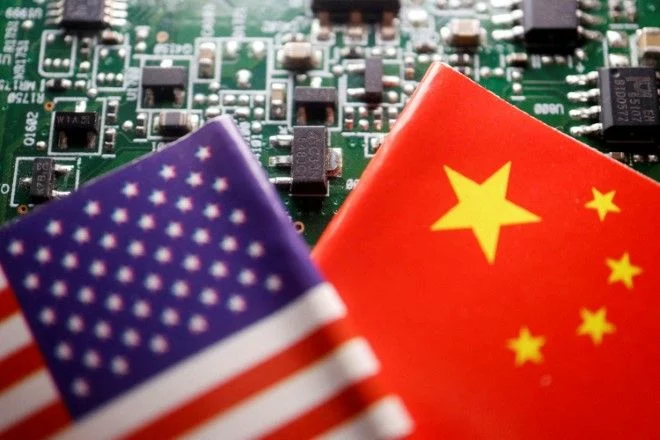


floriparesort.com – 30 July 2026 | The recent announcement of the US government’s plan to Opposes Chinese AI ban has sparked a heated debate in the tech industry. The ban, which aims to restrict the import of foreign-made humanoid robots, robot dogs, and solar inverters, has been met with opposition from various stakeholders, including Meta CEO Mark Zuckerberg. Zuckerberg has expressed his concerns over the centralization of AI, stating that it could lead to a loss of innovation and progress in the field. He also Opposes Chinese AI ban, arguing that it could stifle the growth of the industry and hinder the development of new technologies.
The US government’s decision to impose the ban has been driven by concerns over national security risks. The government has accused China of hacking into US businesses and stealing data, and has warned that the use of Chinese-made devices could pose a risk to US national security. However, opponents of the ban argue that it is an overreaction and could have unintended consequences. They point out that the ban could lead to a loss of jobs and revenue for US companies that rely on Chinese-made devices.

Meta’s Mark Zuckerberg has been a vocal opponent of the ban, arguing that it could stifle innovation and hinder the growth of the AI industry. He has stated that the centralization of AI is a major concern, and that the ban could lead to a loss of progress in the field. Zuckerberg also Opposes Chinese AI ban, stating that it could lead to a loss of access to new technologies and innovations. The Meta CEO has called for a more nuanced approach to regulating the AI industry, one that balances the need for security with the need for innovation and progress.
The US government’s ban on foreign-made devices has also been met with opposition from other tech companies. Many have argued that the ban is an overreaction and could have unintended consequences. They point out that the ban could lead to a loss of jobs and revenue for US companies that rely on Chinese-made devices. Others have argued that the ban could stifle innovation and hinder the growth of the AI industry. The Opposes Chinese AI ban has become a major point of contention in the tech industry, with many calling for a more nuanced approach to regulating the industry.
In conclusion, the US government’s plan to Opposes Chinese AI ban has sparked a heated debate in the tech industry. While the government has cited national security concerns as the reason for the ban, opponents argue that it could stifle innovation and hinder the growth of the AI industry. Meta CEO Mark Zuckerberg has been a vocal opponent of the ban, arguing that it could lead to a loss of progress in the field. As the debate continues, it remains to be seen how the ban will impact the tech industry and the development of new AI technologies. The Opposes Chinese AI ban is a complex issue that requires a nuanced approach, one that balances the need for security with the need for innovation and progress.

![Google Introduces Feature That Lets Users Disable Watermarks [titlebase] on AI-Generated Media](https://www.floriparesort.com/wp-content/uploads/2026/08/google-introduces-feature-that-lets-users-disable-watermarks-titlebase-on-ai-generated-media-60x60.webp)
![Electronic Arts Launches Advertising Platform [titlebase] to Revolutionize In-Game Ads](https://www.floriparesort.com/wp-content/uploads/2026/06/electronic-arts-launches-advertising-platform-titlebase-to-revolutionize-in-game-ads-60x60.webp)
![Google Introduces Feature That Lets Users Disable Watermarks [titlebase] on AI-Generated Media](https://www.floriparesort.com/wp-content/uploads/2026/08/google-introduces-feature-that-lets-users-disable-watermarks-titlebase-on-ai-generated-media.webp)
![Carrier Set for Replacement [titlebase]: Estonia's Tele2 Announces 2027 SIM Upgrade Deadline](https://www.floriparesort.com/wp-content/uploads/2026/08/carrier-set-for-replacement-titlebase-estonias-tele2-announces-2027-sim-upgrade-deadline.webp)

![Google Introduces Feature That Lets Users Disable Watermarks [titlebase] on AI-Generated Media](https://www.floriparesort.com/wp-content/uploads/2026/08/google-introduces-feature-that-lets-users-disable-watermarks-titlebase-on-ai-generated-media-630x380.webp)
![Carrier Set for Replacement [titlebase]: Estonia's Tele2 Announces 2027 SIM Upgrade Deadline](https://www.floriparesort.com/wp-content/uploads/2026/08/carrier-set-for-replacement-titlebase-estonias-tele2-announces-2027-sim-upgrade-deadline-630x380.webp)