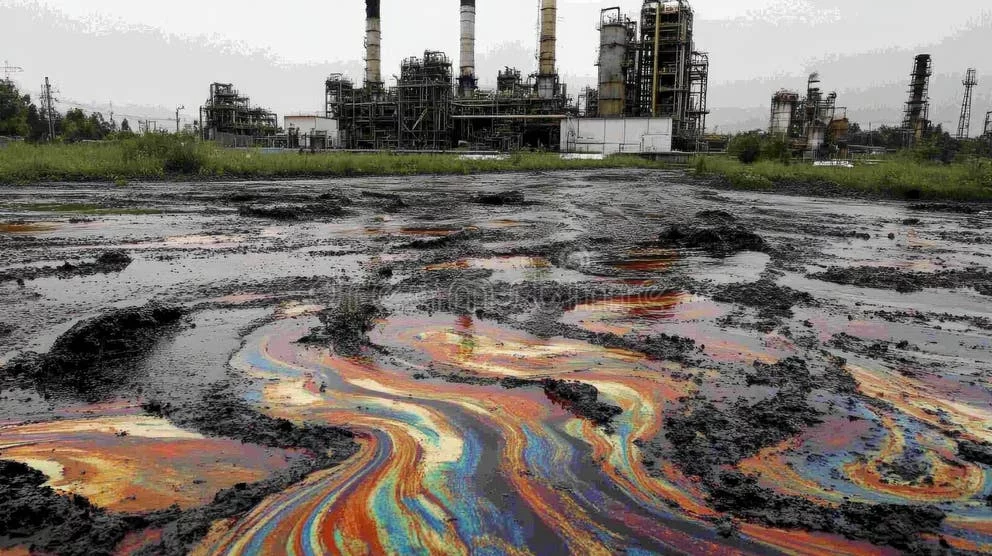


floriparesort.com – 19 May 2026 | An unexpected oil refinery attack on Iran‘s Lavan Island has unleashed a thick black plume of smoke and a sprawling oil spill that threatens a protected wildlife sanctuary in the Persian Gulf. Mobile‑phone footage captured on April 9 shows the refinery ablaze, followed by images of oil‑coated birds, crabs and a swordfish, while locals describe dolphins surfacing only to inhale contaminated water.
The strike, which occurred hours after a tentative cease‑fire was announced between the United States, Israel and Iran, has intensified regional tensions. Iranian officials have yet to confirm the extent of the environmental damage, but satellite imagery and on‑the‑ground video confirm that the spill has spread across the surrounding sea, reaching the nearby Shidvar and Maroo islands—both key breeding grounds for migratory birds and marine life.

Environmental groups warn that the oil refinery blast could have long‑lasting repercussions. The oil slick, estimated to cover several square kilometres, threatens to smother nesting sites, disrupt fish spawning cycles and poison the food chain. “The sight of dead fish surfacing one after another is a grim indicator of ecosystem collapse,” said a marine biologist who surveyed the area after the incident.
While the immediate focus is on the ecological fallout, the incident also reverberates through global energy markets. The Lavan oil refinery was a modest but strategic node in Iran’s offshore refining capacity, processing crude that feeds both domestic consumption and export pipelines. Its loss, coupled with prior attacks on the South Pars gas field and the Barakah nuclear plant in the United Arab Emirates, has heightened fears of supply disruptions through the Strait of Hormuz, a chokepoint for roughly 20 % of the world’s oil.
U.S. gasoline prices have responded swiftly. In Denver, Colorado, the average pump price climbed to $4.99 per gallon on Monday, with some stations in Carbondale reaching $5.39. The spike follows a broader trend of rising fuel costs since the war began on February 28, when Iran temporarily blocked the strait, sending crude prices above $100 a barrel. Analysts at GasBuddy attribute the surge to a “follow‑the‑leader” pricing pattern, where stations adjust in tandem with regional benchmarks.
| Location | Price (per gallon) |
|---|---|
| Denver metro (average) | $4.99 |
| Littleton (low) | $4.29 |
| Carbondale (high) | $5.39 |
Experts warn that Memorial Day travel could push prices even higher, as demand spikes and any further escalation in the Middle East would tighten supply. “Each new strike on an oil refinery or related infrastructure adds a premium to the price of gasoline across the United States,” explained Patrick De Haan, head of petroleum analysis at GasBuddy.
The geopolitical dimension complicates response efforts. Iranian media have blamed the United Arab Emirates for the Lavan refinery attack, a claim the UAE denies. Meanwhile, the UAE has endured the most missile and drone fire of any Gulf state during the conflict, prompting it to sharpen rhetoric against Tehran and reinforce its own energy security measures.
International environmental watchdogs are calling for an independent investigation into the spill’s impact. They stress that oil refinery accidents in ecologically sensitive zones demand swift containment, wildlife rescue operations, and long‑term monitoring. The United Nations Environment Programme (UNEP) has offered technical assistance, but access to the Iranian coastline remains restricted due to ongoing security concerns.
In the meantime, local fishermen report a sharp decline in catches, and tourism operators warn that the once‑pristine beaches of Lavan and neighboring islands may remain off‑limits for months. The economic ripple effect could extend beyond Iran, affecting regional trade routes that rely on uninterrupted oil flow through the Hormuz corridor.
As diplomatic channels remain fragile, the dual crises of environmental disaster and rising fuel costs underscore how a single oil refinery strike can trigger far‑reaching consequences. The world watches to see whether de‑escalation efforts can restore stability to both the Persian Gulf’s fragile ecosystems and the global energy market.
In conclusion, the Lavan oil refinery attack illustrates the intertwined nature of modern geopolitics, environmental stewardship, and consumer price volatility. Immediate containment of the spill, transparent reporting, and renewed diplomatic engagement will be essential to mitigate further damage on both ecological and economic fronts.
![Boy injured in shark attack [titlebase]: A Frightening Incident in the Bahamas](https://www.floriparesort.com/wp-content/uploads/2026/06/boy-injured-in-shark-attack-titlebase-a-frightening-incident-in-the-bahamas-60x60.webp)



![Probes deaths of 15 elephants [titlebase]: Kenya Launches Investigation into Mysterious Elephant Deaths](https://www.floriparesort.com/wp-content/uploads/2026/07/probes-deaths-of-15-elephants-titlebase-kenya-launches-investigation-into-mysterious-elephant-deaths.webp)


![Probes deaths of 15 elephants [titlebase]: Kenya Launches Investigation into Mysterious Elephant Deaths](https://www.floriparesort.com/wp-content/uploads/2026/07/probes-deaths-of-15-elephants-titlebase-kenya-launches-investigation-into-mysterious-elephant-deaths-630x380.webp)