


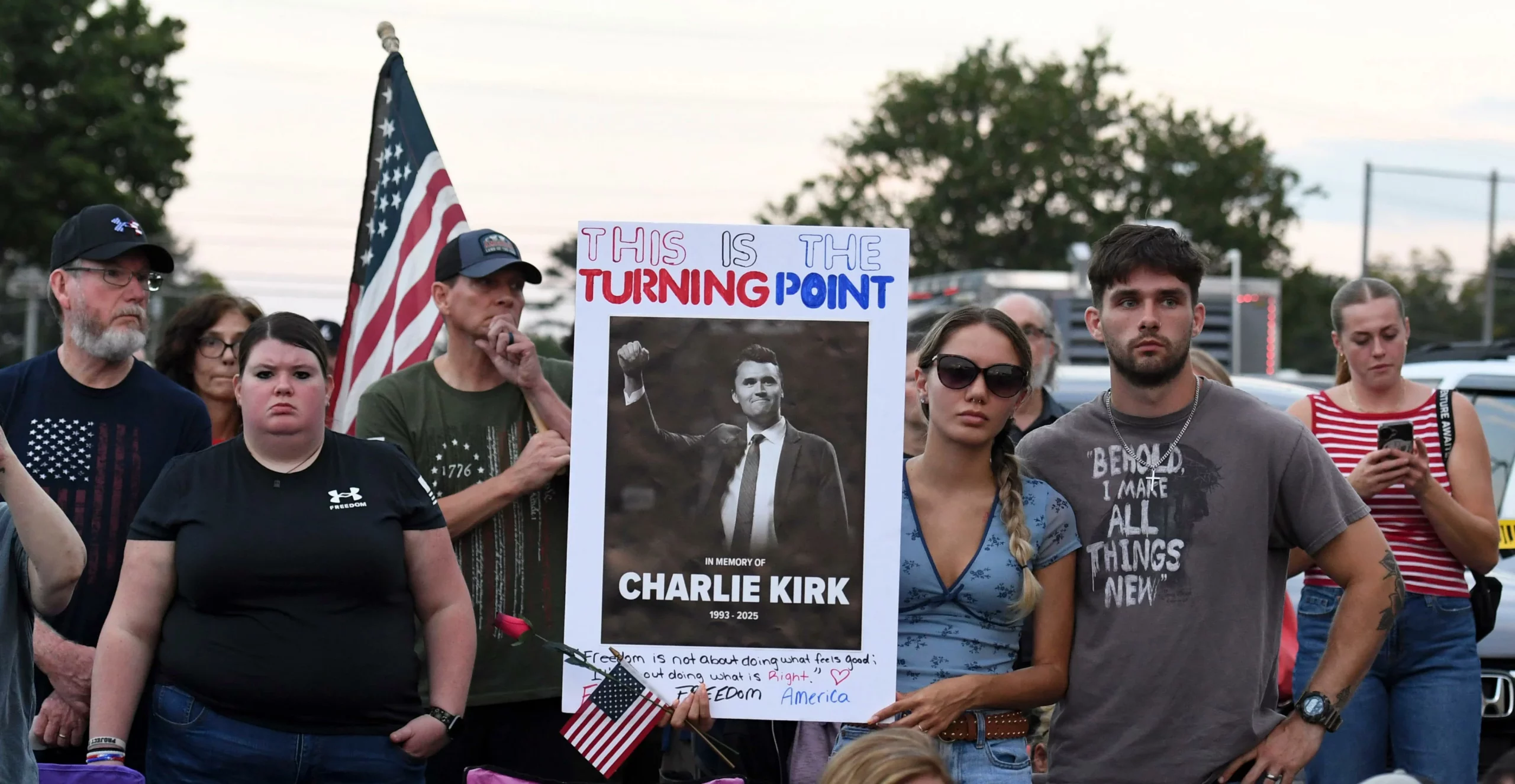


floriparesort.com – 27 May 2026 | An Indiana professor, Suzanne Swierc, has received a $225,000 settlement from Ball State University after she was fired for a private Facebook post criticizing conservative activist Charlie Kirk. The post, which was shared publicly by Indiana Attorney General Todd Rokita, called Kirk’s death a ‘tragedy’ but also pointed to the ‘violence, fear, and hatred he sowed.’ Swierc’s lawyers argued that her termination was a violation of her First Amendment rights, as she was speaking as a private citizen on a matter of public concern.
The American Civil Liberties Union (ACLU) represented Swierc in the lawsuit, which was filed against Ball State University President Geoffrey Mearns. The settlement, which was announced in early April, includes a payment of $225,000 to Swierc and requires that her former supervisors acknowledge her positive contributions to health promotion and advocacy work at the university.

Ball State University has commented on the situation, stating that the settlement was made to avoid further legal fees. However, the university has not admitted to any wrongdoing, and Mearns has said that the settlement does not vindicate Swierc’s claims. Swierc’s lawyers have stated that she was not seeking to be reinstated to her position, as she does not feel that she can work at Ball State University again.
The case has sparked debate about the limits of free speech on college campuses and the role of social media in public discourse. As one of the first cases of its kind, the settlement may set a precedent for future lawsuits involving faculty members and their online activities. The Indiana prof gets $225K in this settlement, but the implications of the case extend far beyond the financial compensation.
In this context, the Indiana prof gets $225K as a result of the university’s decision to settle the lawsuit rather than risk further legal action. The Indiana prof gets $225K, but the real question is whether this settlement will have a chilling effect on free speech on college campuses. The Indiana prof gets $225K, and while this may provide some closure for Swierc, it does not address the underlying issues of censorship and academic freedom.
The Indiana prof gets $225K, and this settlement may be seen as a victory for free speech advocates. However, it also highlights the need for clearer guidelines on social media use and the importance of protecting faculty members’ rights to express themselves as private citizens. The Indiana prof gets $225K, but the case serves as a reminder that the intersection of social media, free speech, and academic freedom is complex and multifaceted.
In conclusion, the Indiana prof gets $225K in a settlement that may have far-reaching implications for college campuses and social media use. While the financial compensation may provide some relief for Swierc, the case raises important questions about the limits of free speech and the role of universities in protecting faculty members’ rights. As the Indiana prof gets $225K, it is essential to consider the broader implications of this case and to work towards creating a more nuanced understanding of the complex issues involved.


![TX board OKs Bible reading [titlebase]: Texas Makes Bible Studies Mandatory in Public Schools](https://www.floriparesort.com/wp-content/uploads/2026/06/tx-board-oks-bible-reading-titlebase-texas-makes-bible-studies-mandatory-in-public-schools-60x60.webp)


![TX board OKs Bible reading [titlebase]: Texas Makes Bible Studies Mandatory in Public Schools](https://www.floriparesort.com/wp-content/uploads/2026/06/tx-board-oks-bible-reading-titlebase-texas-makes-bible-studies-mandatory-in-public-schools.webp)
![Breaking News: Carvalho Quits LAUSD Post [titlebase] Amid FBI Probe](https://www.floriparesort.com/wp-content/uploads/2026/06/breaking-news-carvalho-quits-lausd-post-titlebase-amid-fbi-probe.webp)


![TX board OKs Bible reading [titlebase]: Texas Makes Bible Studies Mandatory in Public Schools](https://www.floriparesort.com/wp-content/uploads/2026/06/tx-board-oks-bible-reading-titlebase-texas-makes-bible-studies-mandatory-in-public-schools-630x380.webp)
![Breaking News: Carvalho Quits LAUSD Post [titlebase] Amid FBI Probe](https://www.floriparesort.com/wp-content/uploads/2026/06/breaking-news-carvalho-quits-lausd-post-titlebase-amid-fbi-probe-630x380.webp)