


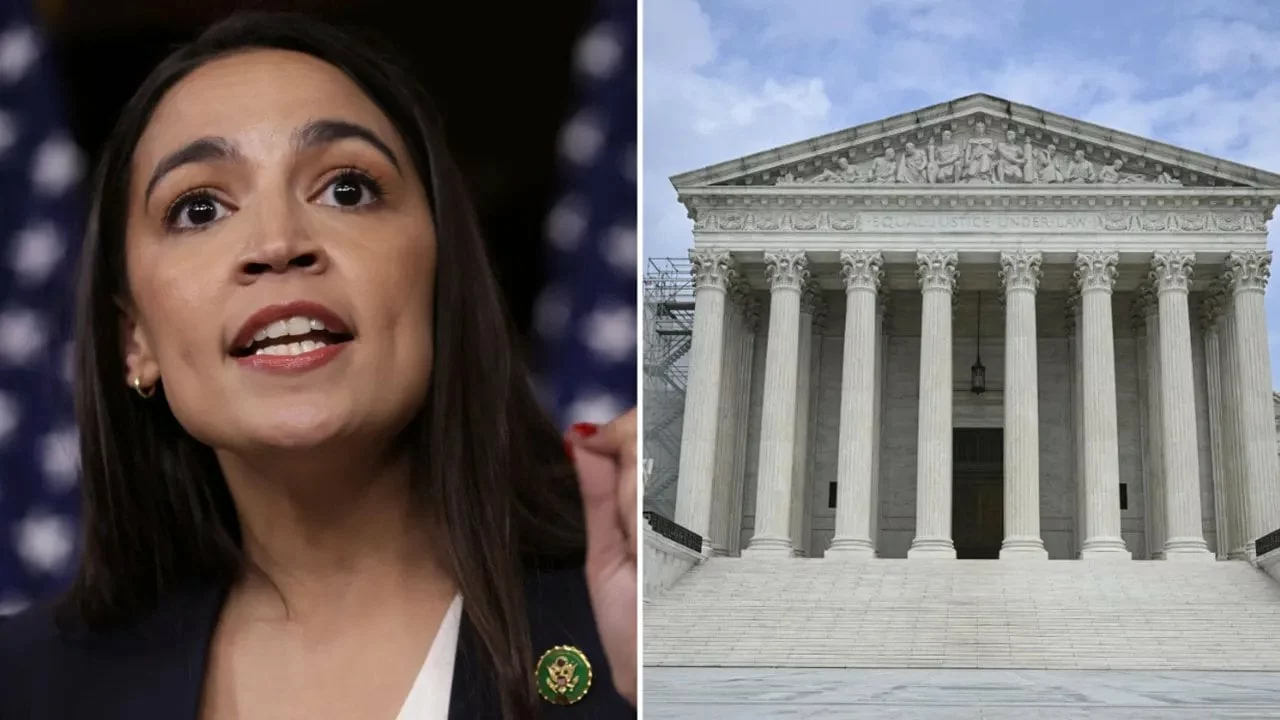


floriparesort.com – 05 June 2026 | In a significant ruling, SCOTUS backs SEC’s power [titlebase] to regulate and oversee the pharmaceutical industry, particularly in cases involving generic drugmakers and patent lawsuits. The Supreme Court’s unanimous decision in favor of Hikma, a generic drug manufacturer, has far-reaching implications for the industry. SCOTUS backs SEC’s power [titlebase] to protect generic drugmakers from frivolous patent lawsuits, which could have hindered their ability to produce affordable, life-saving medications.
The case in question involved Amarin Pharma‘s cardiovascular medication Vascepa, for which Hikma had developed a generic version. Amarin had sued Hikma, alleging that the generic version infringed on their patents. However, the Supreme Court ruled that Hikma’s generic version did not infringe on Amarin’s patents, as it was approved by the FDA for a specific use that was not covered by Amarin’s patents. SCOTUS backs SEC’s power [titlebase] to ensure that generic drugmakers can continue to produce affordable alternatives without fear of unwarranted patent lawsuits.

This decision is a major victory for generic drugmakers, as it clarifies the rules surrounding ‘skinny labels’ and reduces the risk of patent lawsuits. Skinny labels are intended to allow generic drugmakers to avoid patent lawsuits by omitting infringing uses of the brand-name drug from their labels. SCOTUS backs SEC’s power [titlebase] to promote competition and affordability in the pharmaceutical industry, which is essential for the well-being of millions of Americans who rely on these medications.
The implications of this ruling are significant, as it could lead to increased competition and lower prices for prescription medications. Generic drugs have saved patients and insurance payers an estimated $2.9 trillion in the past decade, and this decision will likely encourage more generic drugmakers to enter the market. SCOTUS backs SEC’s power [titlebase] to regulate the pharmaceutical industry and protect the interests of consumers.
In conclusion, the Supreme Court’s decision is a significant milestone in the history of the pharmaceutical industry. SCOTUS backs SEC’s power [titlebase] to ensure that generic drugmakers can continue to produce affordable, life-saving medications without fear of unwarranted patent lawsuits. As the industry continues to evolve, it is essential to have a regulatory framework that promotes competition, affordability, and innovation.





![Judge orders new names [titlebase]: Virginia County Ordered to Replace Confederate Names](https://www.floriparesort.com/wp-content/uploads/2026/08/judge-orders-new-names-titlebase-virginia-county-ordered-to-replace-confederate-names.webp)


![Judge orders new names [titlebase]: Virginia County Ordered to Replace Confederate Names](https://www.floriparesort.com/wp-content/uploads/2026/08/judge-orders-new-names-titlebase-virginia-county-ordered-to-replace-confederate-names-630x380.webp)