


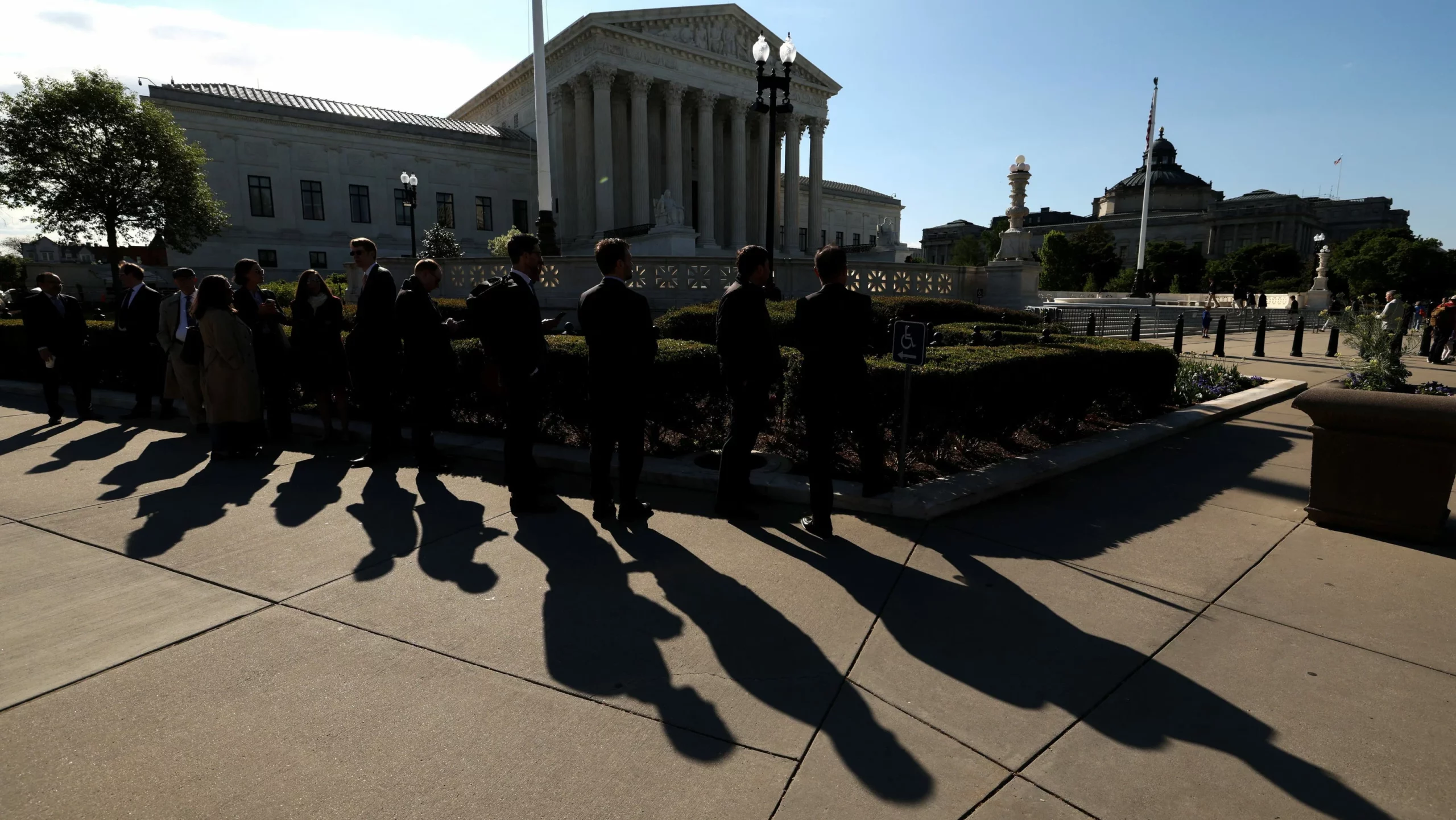


floriparesort.com – 06 June 2026 | The Court to hear challenge over the Federal Communications Commission’s (FCC) system for levying fines has finally come to a close, with the Supreme Court ruling in favor of the FCC. The Court to hear challenge was initiated by wireless carriers AT&T and Verizon, who argued that the FCC’s in-house proceedings for imposing penalties deprived them of their right to a jury trial under the U.S. Constitution. The Court to hear challenge has been a long and contentious process, with the companies arguing that the FCC’s system was unfair and violated their constitutional rights.
The FCC had fined AT&T $57 million and Verizon nearly $47 million after the agency concluded that the companies had unlawfully sold access to customer location data to third parties without securing the consent of users. The companies paid the fines but also filed legal challenges, which eventually led to a split among regional U.S. appellate courts over the lawfulness of the FCC’s in-house procedure for imposing the penalties. The Court to hear challenge was seen as a test of whether a federal agency’s internal enforcement arrangement violates the constitutional right to a jury trial.

In a 8-1 decision, the Supreme Court ruled that the FCC’s system for assessing financial penalties, known as forfeiture orders, does not violate the companies’ right to a jury trial. The Court to hear challenge was closely watched by the wireless industry, as it has significant implications for how the FCC regulates the industry. The ruling was seen as a win for the Trump administration, which defended the FCC’s system.
The Court to hear challenge has been ongoing for several years, with the companies arguing that the FCC’s system was unfair and that they were entitled to a jury trial. However, the Supreme Court disagreed, ruling that the FCC’s orders did not require the companies to pay the penalties and therefore did not resolve the companies’ legal obligations. The Court to hear challenge has set a significant precedent for how federal agencies can regulate industries and impose fines.
In his dissent, Justice Clarence Thomas argued that the Court to hear challenge should have ruled in favor of the companies, stating that the FCC’s orders were binding and that the companies were entitled to a jury trial. However, his dissent was not enough to sway the majority of the Court, which ruled in favor of the FCC. The Court to hear challenge has significant implications for the wireless industry and will likely be closely watched by other federal agencies and industries.
The ruling is a significant victory for the FCC, which has been working to regulate the wireless industry and protect consumer data. The Court to hear challenge has been a long and contentious process, but the Supreme Court’s ruling has finally brought clarity to the issue. The Court to hear challenge has set a significant precedent for how federal agencies can regulate industries and impose fines, and will likely have far-reaching implications for the wireless industry and beyond.

![Sued over AI-aided layoffs [titlebase]: Meta Employees Claim AI-powered Systems Targeted Workers on Medical, Parental Leave](https://www.floriparesort.com/wp-content/uploads/2026/07/sued-over-ai-aided-layoffs-titlebase-meta-employees-claim-ai-powered-systems-targeted-workers-on-medical-parental-leave-60x60.webp)
![xAI loses Minnesota bid [titlebase]: US Judge Denies Temporary Restraining Order Against AI Nudification Ban](https://www.floriparesort.com/wp-content/uploads/2026/08/xai-loses-minnesota-bid-titlebase-us-judge-denies-temporary-restraining-order-against-ai-nudification-ban-60x60.webp)



![Judge orders new names [titlebase]: Virginia County Ordered to Replace Confederate Names](https://www.floriparesort.com/wp-content/uploads/2026/08/judge-orders-new-names-titlebase-virginia-county-ordered-to-replace-confederate-names.webp)


![Judge orders new names [titlebase]: Virginia County Ordered to Replace Confederate Names](https://www.floriparesort.com/wp-content/uploads/2026/08/judge-orders-new-names-titlebase-virginia-county-ordered-to-replace-confederate-names-630x380.webp)