
In a world that is constantly chasing the “new” and “modern,” there is a profound allure in places that have stood the test of time. Some resorts have been welcoming weary travelers since before the invention of paper money or the rise of many modern nations. These “living monuments” offer a rare glimpse into ancient traditions and the true meaning of hospitality.
1. Nishiyama Onsen Keiunkan, Japan (The Record Holder)
Founded in 705 AD, Nishiyama Onsen Keiunkan officially holds the Guinness World Record for the oldest hotel in the world. Located in the Yamanashi Prefecture, this ryokan (traditional Japanese inn) has been in business for over 1,320 years.
- The Legacy: Remarkably, it was managed by the same family for 52 generations until 2017.
- The Attraction: It was built around natural hot springs (onsen) that produce over 1,000 liters of mineral-rich water per minute.
- Famous Guests: Throughout history, it has hosted everyone from ancient emperors and samurai warriors to modern-day tourists seeking the “healing waters” of the mountains.
2. Hōshi Ryokan, Japan
Not far behind is Hōshi Ryokan, located in the Awazu Onsen area. Founded in 718 AD, it was long considered the oldest until Keiunkan took the official title.
- A Divine Origin: Legend says a Buddhist priest was instructed by a mountain deity to uncover a hidden hot spring to heal the people. He tasked his disciple with building an inn at the site.
- Family Tradition: It remains one of the oldest family-run businesses in the world, currently managed by the 46th generation of the Hoshi family.
3. Congress Hall, USA (The Oldest Seaside Resort)
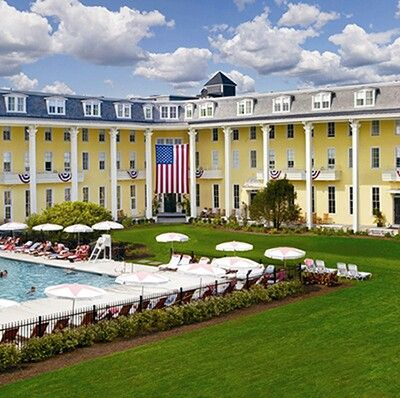
If we shift our focus to Western-style beach resorts, Congress Hall in Cape May, New Jersey, stands as a pioneer.
- Established: 1816.
- Historical Significance: Known as “America’s First Seaside Resort,” it has survived fires and hurricanes for over 200 years. It was a favorite summer retreat for several U.S. presidents, including Ulysses S. Grant and Franklin Pierce.
- The Vibe: Today, it retains its iconic yellow brick facade and Victorian elegance, blending 19th-century charm with modern luxury.
Maintaining a business for over a thousand years is no small feat. These resorts share common traits that have allowed them to survive wars, natural disasters, and economic shifts:
- Commitment to Tradition: They prioritize “Omotenashi” (Japanese selfless hospitality) or local heritage over passing trends.
- Natural Assets: Most were built on unique natural features, like geothermal springs or prime coastlines, that never go out of style.
- Adaptability: While they preserve their soul, they have modernized behind the scenes—offering Wi-Fi and modern amenities without breaking the historic atmosphere.